What Maca Root Is
Lepidium meyenii (Maca) is a cruciferous plant native to the high Andean plateau of Peru, typically grown at altitudes of 4,000–4,500 metres above sea level in the Junín plateau region. The hypocotyl (underground storage organ) is the part consumed, available in yellow (most common), red, and black varieties with slightly different phytochemical profiles. Maca has been cultivated in the Andes for at least 2,000 years, with evidence of cultivation dating to the Inca civilisation. It is one of the few food crops that can grow at such extreme altitudes and has been a staple of Andean nutrition and traditional medicine throughout recorded Andean history.
Traditional Peruvian Use
Historical accounts describe Maca being used by Incan warriors before battle to enhance strength, stamina and combat performance. The Spanish chronicler Cieza de León documented in the 1550s that indigenous Andean peoples used Maca to enhance fertility in livestock at altitude and for human reproductive health. Maca was so valued that it was used as currency and offered as tribute to the Inca emperor. Its traditional uses span energy enhancement, vitality support, fertility improvement, and sexual performance — precisely the domains that modern scientific interest in Maca has focused on.
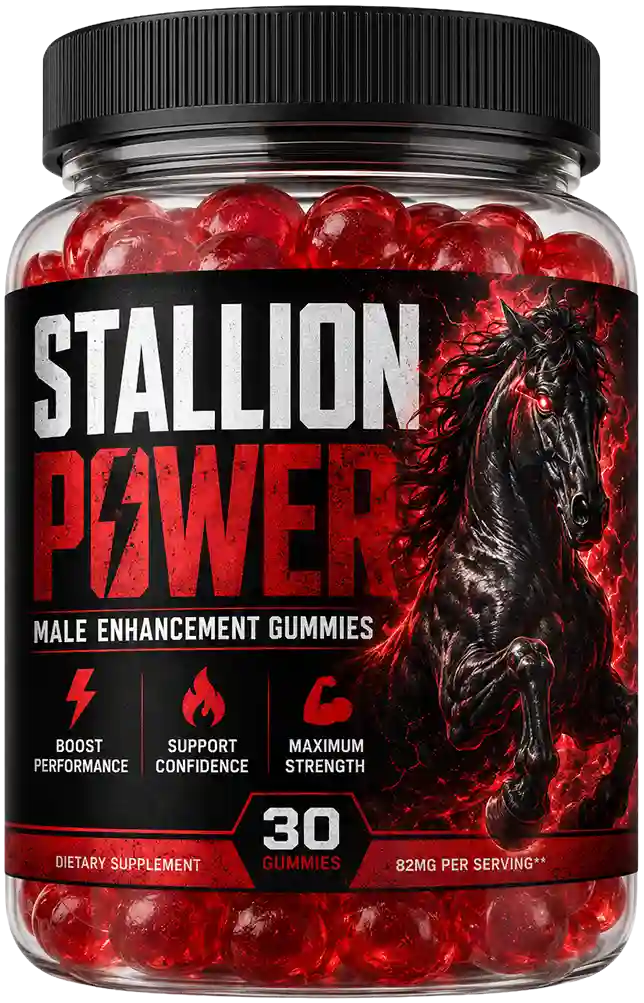
Explore StallionPower’s 82mg natural vitality formula and 60-day guarantee.
⚡ View StallionPowerActive Compounds
Maca’s phytochemical profile is unusually complex for a root vegetable. Its key bioactive constituents include glucosinolates (particularly macamides and macaenes, which are unique to Maca), benzylamine alkaloids, polyunsaturated fatty acids, sterols, flavonoids, and a comprehensive amino acid profile. The macamides in particular — fatty acid-benzylamine conjugates — are considered primary contributors to Maca’s vitality effects through their documented inhibitory action on fatty acid amide hydrolase (FAAH), the enzyme that degrades the endocannabinoid anandamide, which is associated with mood, motivation and sexual arousal.
Mechanism of Sexual Function Effects
Importantly, Maca’s sexual function effects appear to be independent of testosterone modulation — Maca does not significantly change serum testosterone or LH levels in most human trials. Its pro-sexual effects are attributed to the central nervous system mechanisms of macamides, direct effects on hypothalamic fertility centres, and its nutritional density supporting the cellular energy metabolism that sexual function depends on.
Systematic Review Evidence
A 2010 systematic review of randomised clinical trials of Maca for sexual dysfunction published in BMC Complementary and Alternative Medicine (Shin et al.) identified 4 eligible RCTs and concluded that limited evidence suggests Maca has a positive effect on sexual dysfunction and sexual desire in healthy menopausal women and healthy adult men. The most cited men’s study (Gonzales et al., 2002) found that 1,500mg and 3,000mg/day Maca for 12 weeks significantly improved self-reported sexual desire in men compared to placebo from week 8, with no changes in testosterone or LH levels, confirming a testosterone-independent mechanism.
Additional Published Findings
A 2009 pilot study found Maca significantly improved sexual dysfunction associated with antidepressant use in men. A 2015 randomised pilot study found Maca improved erectile function and sexual wellbeing in men with mild erectile dysfunction. The evidence base, while not as extensive as Ashwagandha’s, consistently supports Maca’s traditional reputation as a male sexual vitality botanical through well-conducted human clinical trials.
Black vs Yellow vs Red Maca
The three colour varieties of Maca have slightly different phytochemical profiles and correspondingly different documented effects. Yellow Maca is the most common and has the most clinical trial data. Black Maca has shown the most consistent evidence for male sexual function and sperm quality in animal and some human studies. Red Maca has shown evidence for prostate health support. Most commercial Maca supplements, including proprietary blends like StallionPower’s, use a concentrated standardised extract that captures the combined benefits of the Maca root regardless of variety-specific differences.
Maca Root in StallionPower
In the StallionPower 82mg formula, Maca Root provides the testosterone-independent male sexual vitality support layer that complements Ashwagandha’s testosterone-supporting action. Because Maca and Ashwagandha operate through different mechanisms — Maca through central macamide effects and Ashwagandha through cortisol-testosterone modulation — the combination covers more of the biological territory of male vitality than either ingredient alone. Alongside Muira Puama, Epimedium, Tribulus and L-Arginine, Maca contributes the formula’s Andean traditional vitality dimension.
Explore StallionPower’s 82mg natural vitality formula and 60-day guarantee.
⚡ View StallionPowerFurther Reading
- StallionPower Male Performance Gummies: An Honest Review
- Muira Puama for Male Performance: What Research Reveals
- Ashwagandha and Testosterone: Evidence-Based Benefits for Men
- Maca Root and Male Vitality: Traditional Wisdom and Science
- L-Arginine for Blood Flow and Male Performance
- Natural Male Enhancement Supplements: How to Evaluate Them
More on the StallionPower blog. Visit the official site for pricing and guarantee details.