What Tribulus Terrestris Is
Tribulus terrestris is a flowering plant found across warm temperate and tropical regions of Southern Europe, the Mediterranean, the Middle East, southern Asia, and Africa. In supplementation, the aerial parts (leaves) and fruit are typically used, with the fruit containing the highest concentrations of steroidal saponins — particularly furostanol saponins including protodioscin, which is generally considered the primary bioactive compound. Standardised Tribulus extracts specify protodioscin content (often 40–90%), ensuring consistent potency across batches.
Traditional Multicultural Use
Tribulus terrestris is one of the few botanical male performance ingredients with a documented traditional use history across multiple independent cultural traditions on different continents — suggesting its effects were consistently observed in diverse populations across different contexts. In Ayurvedic medicine it is classified as a Vrishya (aphrodisiac/male vitality tonic) and used for supporting sexual vigour and urinary health. In traditional Chinese medicine it is used for liver and kidney tonification, conditions associated with sexual vitality. In Bulgarian and Eastern European folk medicine it was traditionally used by athletes for physical performance enhancement, which directly led to modern sports supplement research interest in the ingredient.
Explore StallionPower’s 82mg natural vitality formula and 60-day guarantee.
⚡ View StallionPowerActive Compounds and Mechanism
Protodioscin, Tribulus’s primary steroidal saponin, is hypothesised to support male hormonal health through conversion to DHEA (dehydroepiandrosterone) in the body, which can be subsequently converted to testosterone or oestrogen depending on the individual’s hormonal milieu. Animal studies have confirmed significant testosterone-increasing effects with Tribulus supplementation in rodents, including an early study from the Medical University of Sofia that established the protodioscin mechanism and drove significant research interest in the 1990s and 2000s.
Human Evidence and Limitations
Human clinical trial results for Tribulus’s testosterone effects have been more variable than animal data, with several well-designed trials in men showing no significant testosterone change from Tribulus supplementation. This inconsistency may reflect differences in protodioscin content between preparations, individual variation in conversion efficiency, or a genuine testosterone mechanism that is more robust in animals than humans.
Evidence for Stamina and Performance
Despite the variable testosterone evidence, some clinical data supports Tribulus’s effects on physical performance parameters independent of testosterone. A 2017 randomised, double-blind study in 30 soccer players found Tribulus supplementation significantly improved anaerobic performance, power output, and rate of perceived exertion compared to placebo over 8 weeks. A 2012 study found improvements in maximal muscle strength and body composition in trained men supplementing Tribulus.
These performance effects may be partially mediated by non-testosterone mechanisms including direct muscle glycolytic support, nitric oxide pathway interactions, and central nervous system effects on motivation and pain tolerance during exercise. The traditional use of Tribulus specifically for athletic stamina in Bulgarian sports culture (where it was reportedly used by Olympic athletes before formal supplement testing) preceded and predicted the modern scientific interest in these non-hormonal performance effects.
Testosterone Claims: the Evidence
The testosterone-boosting claims frequently associated with Tribulus supplements in marketing materials are based primarily on the animal study data and the protodioscin-to-DHEA conversion hypothesis. Rigorous human RCTs have not consistently confirmed significant testosterone increases in healthy men with normal baseline testosterone. The most comprehensive review of Tribulus clinical trials (Qureshi et al., 2014) concluded that evidence for testosterone effects in healthy men was insufficient to confirm the claim.
Honest Assessment
Men considering Tribulus specifically for testosterone support should note this limitation honestly. However, the evidence for stamina, physical performance, sexual function improvement (distinct from testosterone) and traditional vitality support is more consistent. Tribulus’s value in a male vitality formula is best understood as traditional stamina and drive support rather than a testosterone booster in the clinical sense.
Tribulus in StallionPower
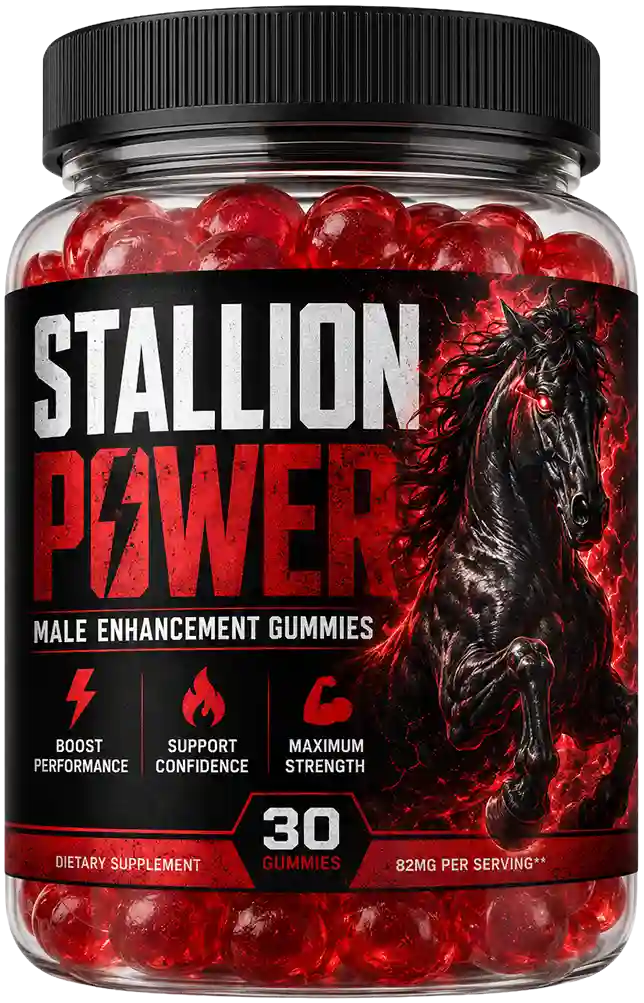
In StallionPower’s 82mg blend, Tribulus Terrestris contributes its multi-cultural traditional stamina and drive support alongside the formula’s other botanicals. It complements Ashwagandha’s clinically validated testosterone support (addressing any hormonal dimension more robustly), Epimedium’s vascular mechanism, and L-Arginine’s NO pathway support. Within the complete formula, Tribulus serves its traditional role as a stamina and active lifestyle support botanical, one piece of a comprehensive nine-ingredient approach to male vitality that covers more ground than any single ingredient can.
Explore StallionPower’s 82mg natural vitality formula and 60-day guarantee.
⚡ View StallionPowerFurther Reading
- StallionPower Male Performance Gummies: An Honest Review
- Muira Puama for Male Performance: What Research Reveals
- Ashwagandha and Testosterone: Evidence-Based Benefits for Men
- Maca Root and Male Vitality: Traditional Wisdom and Science
- L-Arginine for Blood Flow and Male Performance
- Natural Male Enhancement Supplements: How to Evaluate Them
More on the StallionPower blog. Visit the official site for pricing and guarantee details.